

Hypertrophy, n. f. [comp. of hyper- and -trophy]. – 1. In biology, an increase in the volume of an organ or tissue, resulting from an increase in the volume of its constituent cellular elements, without appreciable structural changes: muscular h.; liver, spleen h. 2. fig. Excessive development, exaggerated enlargement: a numerical increase in administrative personnel that reaches h.; h. of sensitivity; h of sense of honor.
From the Treccani Dictionary
Macrophilia. It is a paraphilia characterized by an attraction to the figure of people or creatures vastly larger than the person themselves.
Although macrophilia literally translates simply as “lover of large things,” in the context of a sexual fantasy, it is used to indicate an attraction to beings larger than oneself. Males attracted to larger females are known as “Amazon hunters.” Generally, interest varies among macrophiles and depends on gender and sexual orientation. Macrophiles often enjoy the sensation of being physically smaller, ranging from sadomasochistic fantasies such as being abused, degraded, dominated, or eaten, to friendly fantasies such as being saved, protected, and friendly by the larger, typically heroic female. They often view the much taller being as powerful and dominant.
From Wikipedia
Increasingly intoxicated by sustainability and solutions to reduce emissions in this buzzing ecosystem, shipyards and transportation manufacturers in general are competing on the two key themes of the last two decades of the third millennium: who is more sustainable and who makes it bigger.
The urge to hypertrophy has infected various sectors, from household appliances, where 1,000-liter refrigerators reign supreme, as if they were for restaurants, to washing machines by 8, 10, and 12 kilos, in the face of the proliferation of single-person families, to smartphones, which thanks to mobile technology should have been small, lightweight, and capable of weekly battery life, and instead... we have to carry mini TVs weighing almost half a kilo in our pockets, requiring a tailor to sew a special pocket for them, which must be recharged every three hours.
Not to mention cars, which are reaching 2 meters wide, 5 meters long, and 2 meters high. The European Federation for Transport and the Environment has analyzed that modern cars, with an average width exceeding 180 cm, are now almost as wide as the lanes of standard European roads. Which, of course, are not widening.
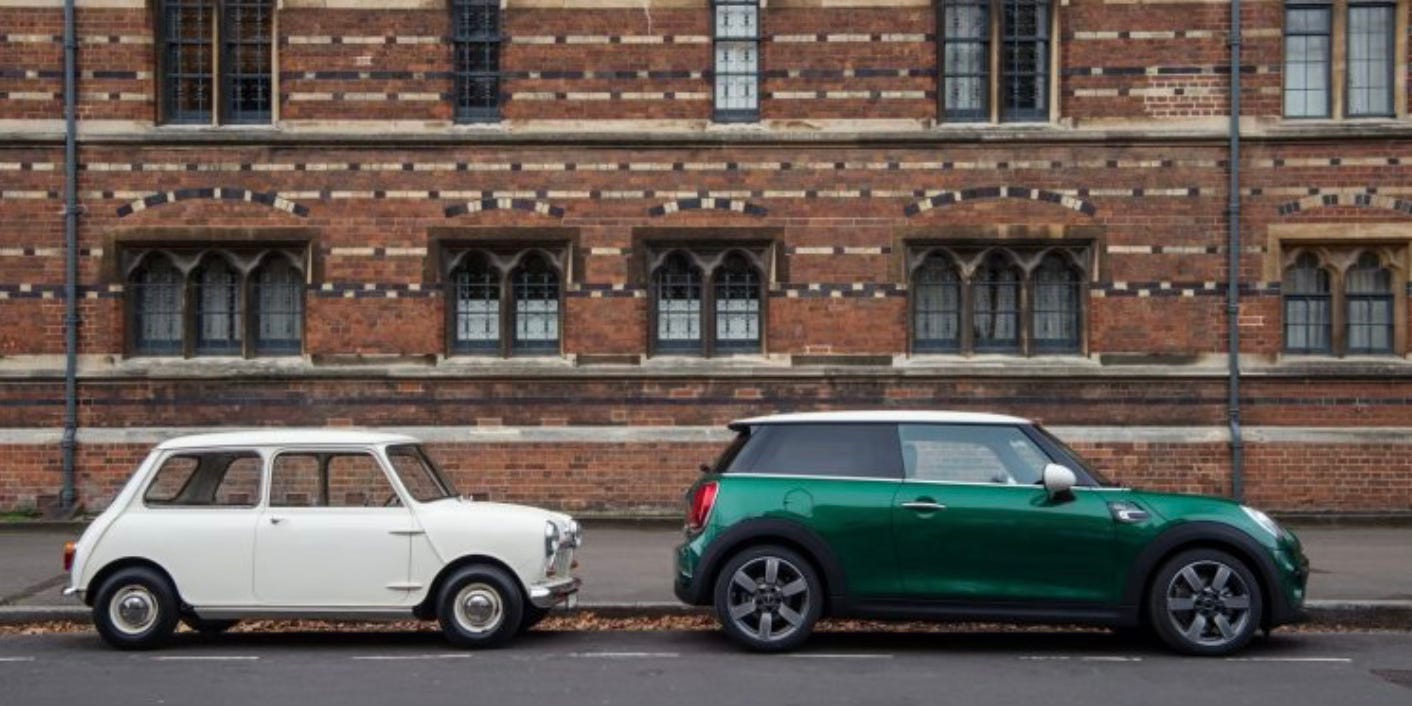
The Mini now retains only its name, and it’s 40% larger than the original Alec Issigonis’ little Bmc car, the new Renault R5 is 50% larger than the old R4, beloved by the boomer generations, the latest Porsche 992 is 30% larger than the original 911 of 60 years ago.
There are no cars under 4 meters long anymore, except for the latest Smarts, the Fiat Panda, and the 500, which is still 60 centimeters longer and 30 centimeters wider than the old “Cinquino” (the first Fiat 500 of 1957). And what about power output? Nothing under 100 horsepower. But going higher, Ferrari offers the 812 with an 800-horsepower V12, and Lamborghini the Temerario with a V8 plus three electric motors for 920 horsepower.
The trend toward macrophilia could not help but infect the nautical world.
Immense inflatable boats, 15, 18, and 20 meters long, have the power of a motoryacht. Sailing boats no longer have accessible entry-level models. Nothing under 12 meters, the fateful 40-foot threshold. Perhaps some Polish shipyards offer a few models under that threshold. If you Google “boats from 6 to 8 meters,” you'll find an article in Giornale della Vela from... 2016! And another from the same source from 2021, where the range has already increased from 8 to 10 meters.
In the glittering world of superyachts, the trend could only be exponential.
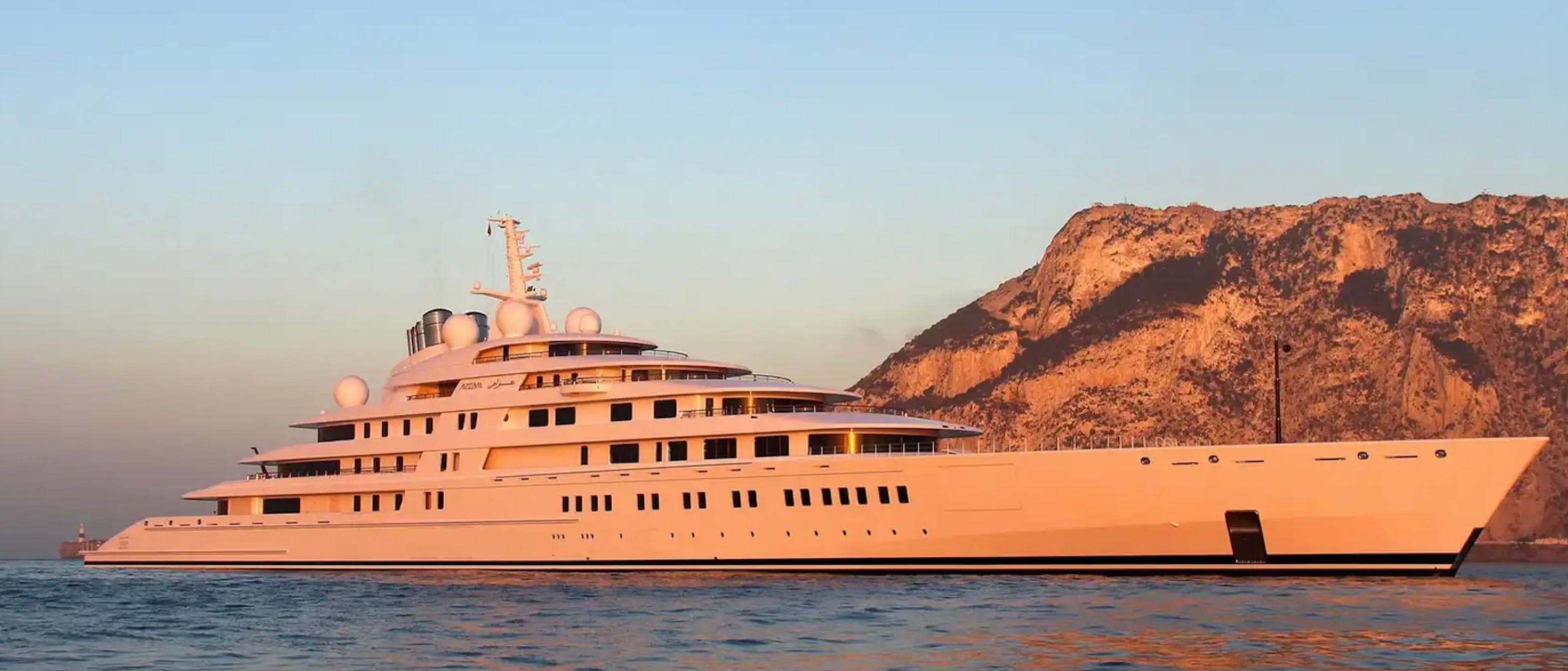
There are shipyards, there are clients, there is money. The top 100 of the world's largest yachts, compiled by various publications such as Superyachttimes, Boat International, and even Wikipedia, is crowned by the still undefeated Azzam, de facto stateship of the President of the United Arab Emirates and Emir of Abu Dhabi, Khalifa bin Zayed bin Sultan Al Nahyan. A 180-meter vessel, designed by Nauta Yachts of Milan, built by Lürssen of Bremen, holds 1,000,000 liters of diesel (after all, they have the oil), and powered by 94,000 horsepower with two GE gas turbines and two MTU engines to reach a top speed of 31.5 knots.
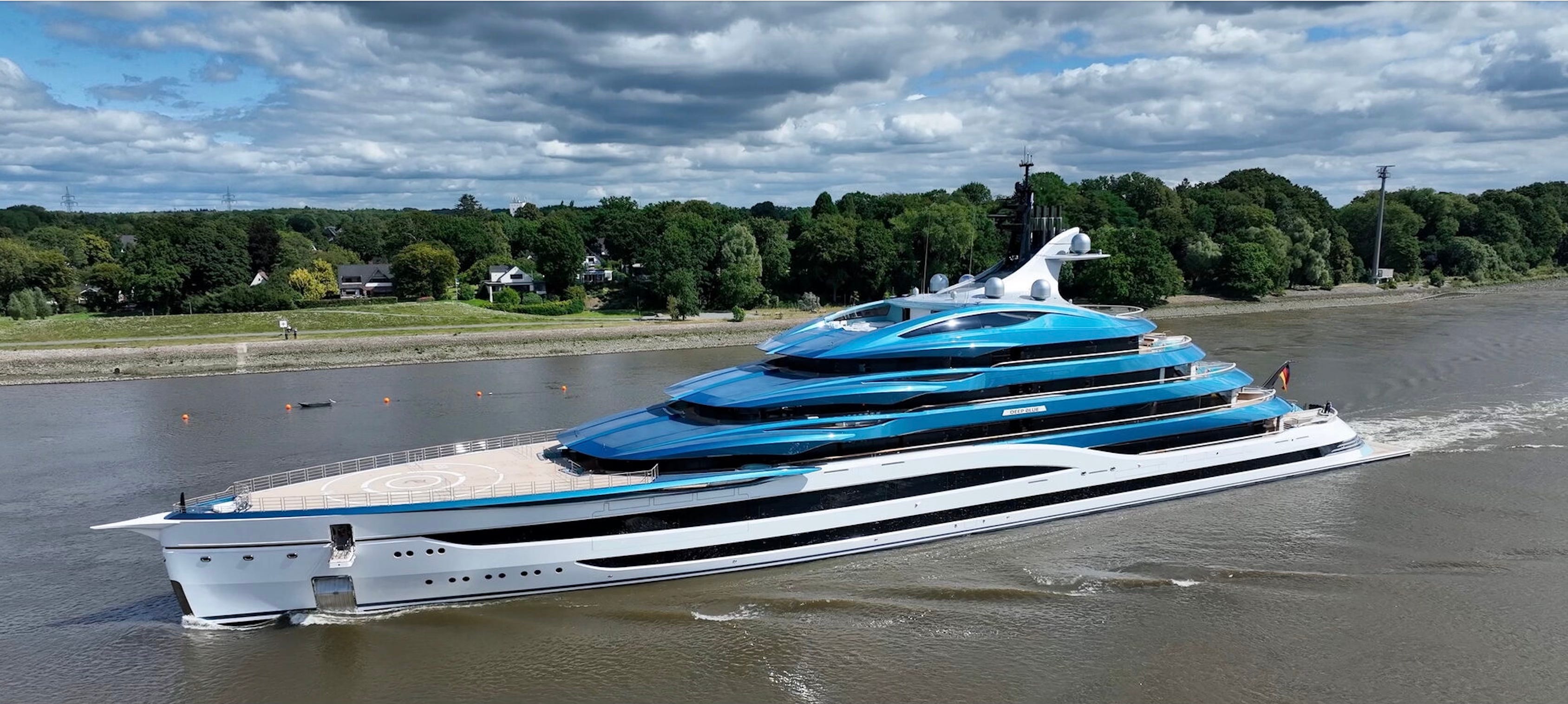
But the 100th is the “little” Lauren L, “only” 90 meters long, designed by Alpha Marine of Athens and built by Cassen Werft of Emden, Germany. Numerous other 100-meter+ yachts are crowding the top of the list, raising the entry threshold, which will soon be over 100 meters, when the 100 largest yachts in the world will all be 100 meters+. Increasing lengths, beams, heights, and tonnage mean increasing power. And emissions, in the face of sustainability.
So what? And so here comes the race for a “sustainable” sustainability, with various gimmicks, coupled electric motors, fuel cells, diesel-electric propulsion, to demonstrate that, while respecting sustainability, even giants can reduce emissions to safeguard the ecosystem. Will continental drift and climate change create new, wider spaces for the rampant gigantism? We don't know. In the short term, we don't believe so. In the short term, the problem of overtourism will remain in the few destinations favored by super-luxury yachting (but also by more simply luxury yachting...) where this summer too, yachts, superyachts, megayachts, and gigayachts have crowded together, packed like in a supermarket parking lot, because no one wants to miss out on a mooring in Cala di Volpe, or Capri, or Portofino during the 20 days of this glamorous summer, even if the size of the respective bays and the position of the rocks remain unchanged. For now. And limited.
by Roberto Franzoni
(English translation and editing: Elena Paxia)
(Italian version below)
Enjoyed this article? Share it with someone who would love it too!
Subscribe to Yacht Lounge – it’s free. One click and you’ll discover a world of authentic stories, beyond the ordinary.
If the hypertrophy of contemporary design seeks the limits of what’s possible, Jon Bannenberg was the first to draw that line. Discover the man who invented the modern yacht. 👇

Ipertrofia.
Ipertrofìa s. f. [comp. Di iper- e -trofia]. – 1. In biologia, aumento di volume d’un organo o d’un tessuto, consecutivo a un aumento di volume degli elementi cellulari che li costituiscono, senza apprezzabili modificazioni di struttura: i. muscolare; i. del fegato, della milza. 2. fig. Sviluppo eccessivo, ingrandimento esagerato: un aumento numerico del personale amministrativo che raggiunge l’i.; i. della sensibilità; i. del senso dell’onore (Bacchelli).
Dal Dizionario Treccani
Macrofilia. È una parafilia caratterizzata dall'attrazione per la figura di persone o creature enormemente più grandi rispetto alla persona stessa.
Sebbene macrofilia si traduca letteralmente semplicemente in "amante del grande", nel contesto di una fantasia sessuale, viene utilizzata per indicare l'attrazione per esseri più grandi di loro. I maschi attratti da femmine più grandi sono noti come "cacciatori di Amazzoni". Generalmente, l'interesse varia tra i macrofili e dipende dal genere e dall'orientamento sessuale. I macrofili spesso apprezzano la sensazione di essere fisicamente più piccoli, spaziando da fantasie sadomasochiste come essere abusati, degradati, dominati o mangiati, a fantasie amichevoli come essere salvati, protetti e amichevoli dalla femmina più grande, tipicamente eroica, e spesso considerano l'essere molto più alto come potente e dominante.
Da Wikipedia
Sempre più ebbri di sostenibilità, di soluzioni atte a ridurre emissioni in questo gasatissimo ecosistema i cantieri e i produttori di mezzi di trasporto in generale sono in gara sui due temi fondanti di questo ventennio del terzo millennio: chi è più sostenibile e chi lo fa più grande.
La vocazione all’ipertrofia ha contagiato svariati settori, dagli elettrodomestici, dove campeggiano frigoriferi da 1.000 litri, manco fossero per i ristoranti, alle lavatrici ormai da 8, 10, 12 chili, a fronte del dilagare di “famiglie” ormai composte da una sola persona, agli smartphone, che grazie alla tecnologia cavalcante avrebbero dovuto essere piccoli, leggerissimi e con autonomie settimanali, e invece… dobbiamo portarci in tasca dei mini tv da quasi mezzo chilo per cui bisogna far cucire al sarto una tasca apposta, da ricaricare ogni tre ore.
Non parliamo delle auto, che stanno arrivando ai 2 metri di larghezza per 5 di lunghezza e 2 di altezza. La Federazione europea per i trasporti e l'ambiente ha analizzato che le automobili moderne, con una larghezza media che supera i 180 cm, sono grandi ormai quasi quanto le corsie delle strade standard d'Europa. Che ovviamente non si allargano.
La Mini conserva ormai solo il nome e sul mercato, la nuova Renault R5 è il 50% più grande della vecchia R4 cara alle generazioni boomer, la Porsche 992 è il 30% più grande dell’originale 911 diu 60 anni fa. Non esistono più auto sotto i 4 metri di lunghezza, salvo le ultime Smart, le Fiat Panda e 500, comunque 60 centimetri più lunga e 30 centimetri più larga del vecchio Cinquinio.
E le potenze? Niente sotto i 100 cavalli. Ma verso l’alto Ferrari propone la 812 col V12 da 800 cavalli e Lamborghini la Temerario col V8 più tre motori elettrici per 920 cavalli.
Il trend alla macrofilia non poteva non contagiare la nautica. Gommoni immensi, da 15, 18, 20 metri con potenze da motoryacht. Le barche a vela non hanno più entry level accessibili. Niente sotto i 12 metri, la fatidica soglia dei 40 piedi. Forse qualche cantiere polacco offre qualche esemplare sotto la soglia. Se cercate su Google barche da 6 a 8 metri trovate un articolo del Giornale della Vela del… 2016! E un altro della stessa fonte del 2021, dove la forchetta è già salita da 8 a 10 metri.
Nel rutilante mondo dei superyacht il trend non poteva che essere esponenziale.
Ci sono i cantieri, ci sono i clienti, ci sono i soldi. La top 100 dei più grandi yacht del mondo, stilata da vari organi come Superyachttimes, Boat International e persino Wikipedia, è coronata dall’ancòra imbattuto Azzam, di fatto nave di stato del presidente degli Emirati Arabi Uniti ed emiro di Abu Dhabi Khalifa bin Zayed bin Sultan Al Nahyan, 180 metri, disegno di Nauta Yachts da Milano, costruzione di Lürssen da Brema, 1.000.000 di litri di gasolio imbarcati (tanto ce l’hanno loro il petrolio), 94.000 cavalli con due turbine a gas GE e due motori Mtu per raggiungre una velocità massima di 31,5 nodi.
Ma il 100°, è il “piccolo” Lauren L di “soli” 90 metri, disegnato da Alpha Marine, da Atene e costruito da Cassen Werft da Emden, Germania. Numerosi altri 100+ metri si stanno affollando nella parte alta della classifica alzando la soglia d’ingresso che presto sarà superiore ai 100 metri, quando i 100 più grandi yacht del mondo saranno tutti 100+ metri. Lunghezze, larghezze, altezze, stazze crescenti comportano potenze crescenti. Ed emissioni, alla faccia della sostenibilità. E allora? E allora ecco la rincorsa a una sostenibilità di… “sostegno”, con artifizi vari, motori elettrici accoppiati, celle di combustile, propulsioni diesel-elettriche, per poter dimostrare che, nel rispetto della sostenibilità, anche i giganti possono ridurre le emissioni per la salvaguardia dell’ecosistema.
La deriva dei continenti e il cambiamento climatico creeranno nuovi più ampi spazi per il gigantismo imperante? Non sappiamo. A breve termine non crediamo. A breve termine resterà il problema del sovraturismo nautico nelle poche destinazioni privilegiate dallo yachting di superlusso (ma anche da quello più semplicemente di lusso…) dove anche quest’estate si sono ammassati yacht, superyacht, megayacht e gigayacht, stipati come in un parcheggio del supermarket, perché a un ormeggio a Cala di Volpe, o a Capri, o a Portofino nei 20 giorni dell’estate glamourosa non vuole rinunciare nessuno, anche se le dimensioni delle rispettive baie, la posizione delle rocce per ora rimane inalterato. E limitato.
by Roberto Franzoni
Hai apprezzato questo articolo? Condividilo con chi potrebbe amarlo quanto te!
Iscriviti a Yacht Lounge, è gratuito. Un click ti apre un mondo di racconti autentici, lontani dai soliti schemi.
Se l’ipertrofia del design contemporaneo cerca il limite del possibile, Jon Bannenberg quel limite lo ha tracciato per primo. Scopri l’uomo che ha inventato lo yacht moderno. 👇