

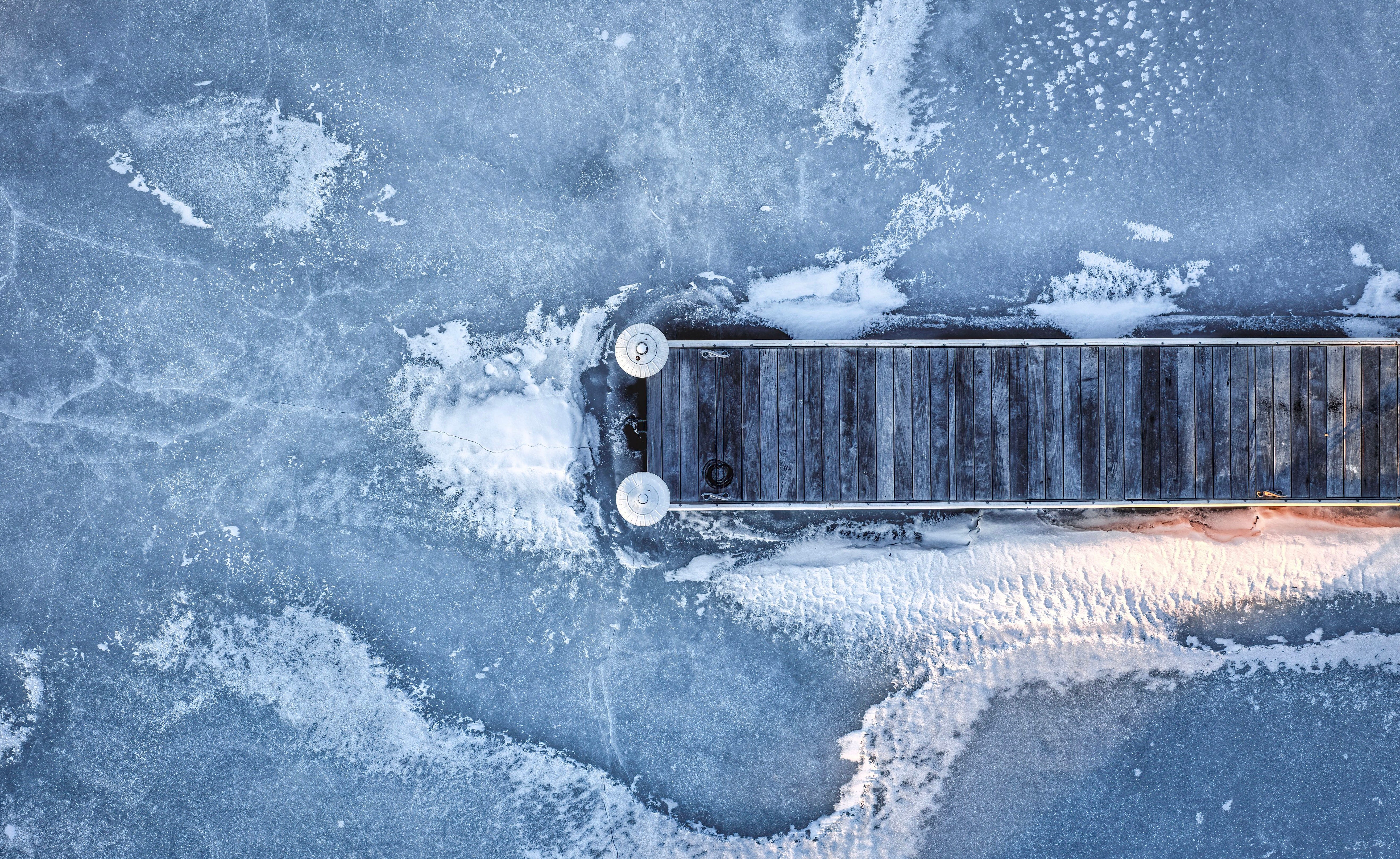
Ale reached the outer deck of the catamaran shortly after leaving Punta Bandera. Lago Argentino was still a quiet stretch of water, almost motionless. If someone had told him he’d be sailing among icebergs before long, he probably would have smiled, a little skeptical.
Patagonia has its own way of introducing itself. It doesn’t surprise you all at once. It lets you come closer.
The boat moves slowly toward Canal Spegazzini. First it crosses the Boca del Diablo, the narrowest point on the lake. The mountains close in around the water, the wind shifts colder, and conversation grows sparser. It’s one of those journeys where the landscape, without asking for anything, slows down the mind along with it.
Then the first icebergs appear.
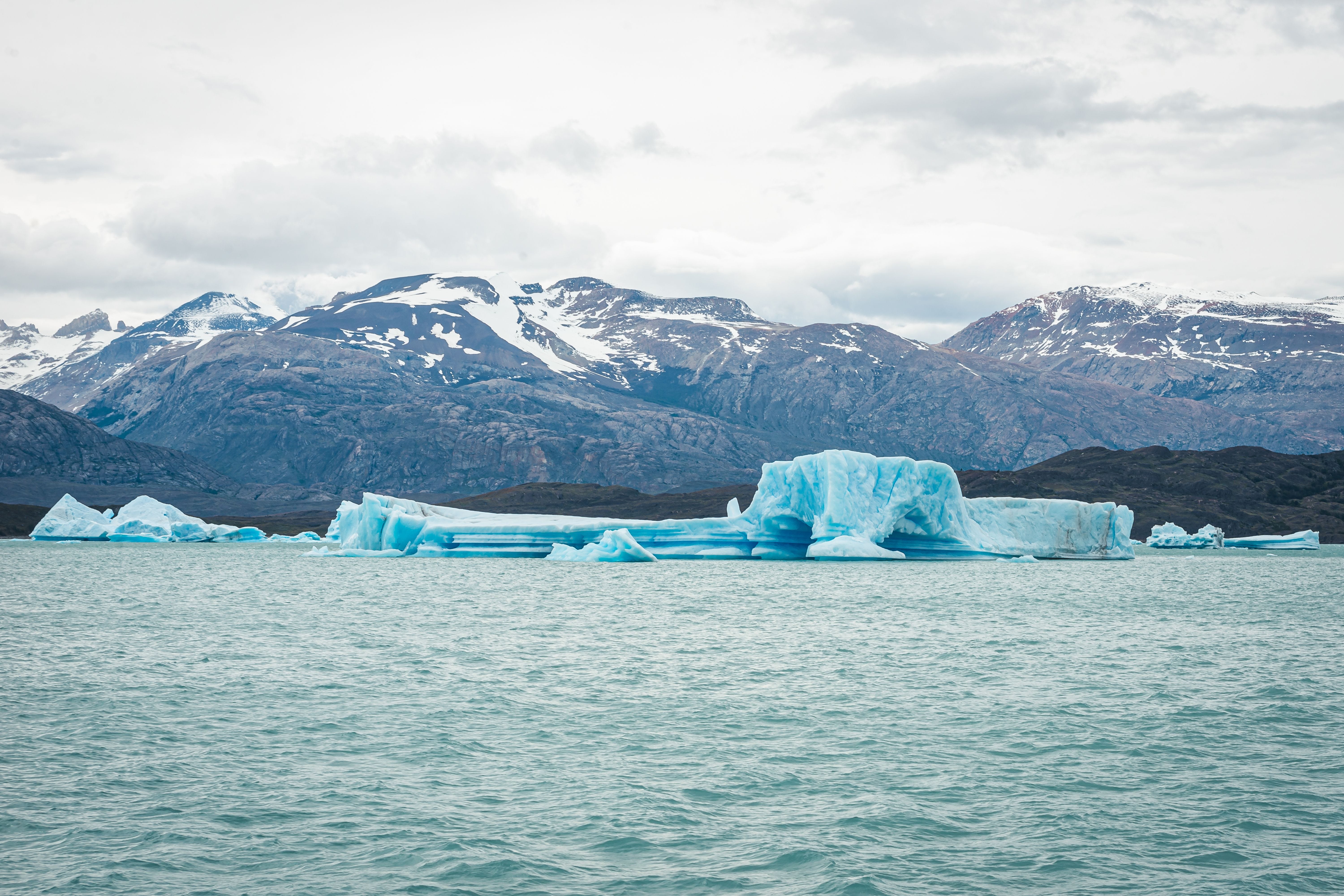
At first they look like simple blocks of drifting ice. Then they become presences. Some rise out of the water like small islands; others have soft shapes, worn smooth by time. Ale watches them as the catamaran passes, with what looks like ease.
He knows they’re drifting slowly. He knows the crew has done this crossing countless times. And still, for a moment, imagination takes over. In his mind the icebergs seem to move on their own, as if they could choose a different course the instant the bow draws near. It isn’t fear. It’s the feeling of being a guest somewhere that keeps its own rhythm, set by someone else.
There are those who cross the ice for a living. 👇

Then, almost without warning, the Spegazzini appears.
First a sharp line at the far end of the channel. Then a wall that grows with every minute of the crossing, until it fills the entire field of view. No need for superlatives. Just silence.
The glacier’s walls rise more than a hundred meters above the lake. White gives way to streaks of blue that never repeat, while deep crevasses trace a movement so slow it’s been unfolding for thousands of years.
On deck, no one raises their voice.
Not because anyone asks them to.
Because it comes naturally.
Every so often a sharp crack cuts through the air. It’s the ice, still at work, indifferent to whoever’s watching.
In front of the Spegazzini, time loses the meaning we give it every day. We count hours. Ice measures centuries.
When the catamaran turns back toward Punta Bandera, the glacier recedes with the same quiet way it appeared. The icebergs return, along with the wind on your face and the milky light off the lake.
Ale keeps watching them. They seem less restless now than before.
On Lago Argentino, the ice teaches something the sea has always known: there are journeys where the destination matters less than how you get there.

Stories like this are the heartbeat of Yacht Lounge. If you value this level of insight, join our 3,800 active readers to receive weekly perspectives you won’t find anywhere else.
Il tempo del ghiaccio.
Ale raggiunse il ponte esterno del catamarano poco dopo la partenza da Punta Bandera. Il Lago Argentino era ancora una distesa tranquilla, quasi immobile. Se qualcuno gli avesse detto che di lì a poco avrebbe navigato tra gli iceberg, probabilmente avrebbe sorriso con un pizzico di incredulità.
La Patagonia ha questo modo tutto suo di raccontarsi. Non sorprende all’improvviso. Si lascia avvicinare.
La navigazione procede lentamente verso il Canal Spegazzini. Prima si attraversa la Boca del Diablo, il punto più stretto del lago. Le montagne si stringono attorno al lago, il vento cambia temperatura e le conversazioni si fanno sempre più rade. È uno di quei viaggi nei quali il paesaggio, senza chiedere nulla, riesce a rallentare anche il pensiero.
Poi compaiono i primi iceberg.
All’inizio sembrano semplici blocchi di ghiaccio alla deriva. Poi diventano presenze. Alcuni emergono dall’acqua come piccole isole, altri hanno forme morbide, levigate dal tempo. Ale li osserva mentre il catamarano li supera con apparente naturalezza.
Sa benissimo che stanno galleggiando lentamente. Sa anche che l’equipaggio conosce perfettamente quella navigazione. Eppure la fantasia prende per un attimo il sopravvento. Nella sua mente quegli iceberg sembrano muoversi liberamente, come se potessero scegliere una direzione diversa proprio nell’istante in cui la prua si avvicina. Non è paura. È la sensazione di trovarsi ospite in un luogo dove sono altri a dettare il ritmo.
C’è chi il ghiaccio lo attraversa di mestiere. 👇
Poi, quasi senza accorgersene, compare lo Spegazzini.
Prima una linea chiarissima in fondo al canale. Poi una parete che cresce a ogni minuto di navigazione, fino a occupare completamente lo sguardo. Non c’è bisogno di superlativi. Basta restare in silenzio.
Le pareti del ghiacciaio si alzano per oltre cento metri sopra il lago. Il bianco lascia spazio a venature azzurre sempre diverse, mentre profonde fenditure raccontano un movimento lentissimo che continua da migliaia di anni.
Sul ponte nessuno alza la voce.
Non perché qualcuno lo chieda.
Perché viene naturale.
Ogni tanto un rumore secco attraversa l’aria. È il ghiaccio che continua il proprio lavoro, incurante di chi lo osserva.
Davanti allo Spegazzini, il tempo perde il significato che gli attribuiamo ogni giorno. Noi contiamo le ore. Il ghiaccio misura i secoli.
Quando il catamarano riprende la rotta verso Punta Bandera, il ghiacciaio si allontana con la stessa discrezione con cui era apparso. Tornano gli iceberg, il vento sul viso e la luce lattiginosa del lago.
Ale continua a seguirli con lo sguardo. Adesso gli sembrano meno inquieti di prima.
Sul Lago Argentino il ghiaccio insegna una cosa che il mare conosce da sempre: ci sono viaggi in cui la destinazione conta meno del modo in cui ci si arriva.

Storie come questa sono il cuore di Yacht Lounge. Se apprezzi questo tipo di narrazione, unisciti ai nostri 3.800 lettori attivi per ricevere ogni settimana approfondimenti che non troverai altrove.